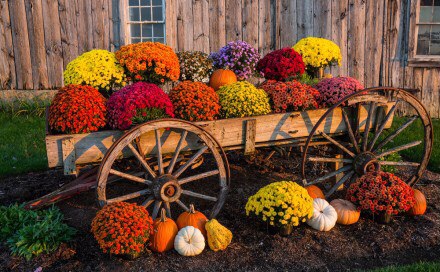
Fall into Autumn with these easy landscaping Do’s and Don’ts
As the weather becomes crisp and the leaves begin to fall, we are reminded that plants do not survive in all climates and conditions. It takes some planning and a keen eye for detail and design to transition your outdoor space from summer to fall. Follow along for easy, practical “do’s and don’ts” of landscaping this fall season. Green Thumb Landscaping is ready to serve you on your plant selection and landscape design to maximize the curb appeal of your home.
Plants, Trees and Shrubs That Thrive in the Fall
Have you ever chosen plants by their appearance but ignored their environmental needs because you thought it would look SO good? Guilty as charged! Choosing the right plants for the season will ensure your investment lasts through the season and bring you lasting pleasure! You can find so many beautiful plants that will thrive during the fall and winter, giving your outdoor space that pop of color you’ve been longing for.
The autumn weather is most suitable for establishing plants. The cooler temperatures and increased amounts of rainfall assist in root development and reduces the likelihood of the plant going into shock from the transplanting process. Below you’ll find several plants, trees and shrubs that flourish through fall:
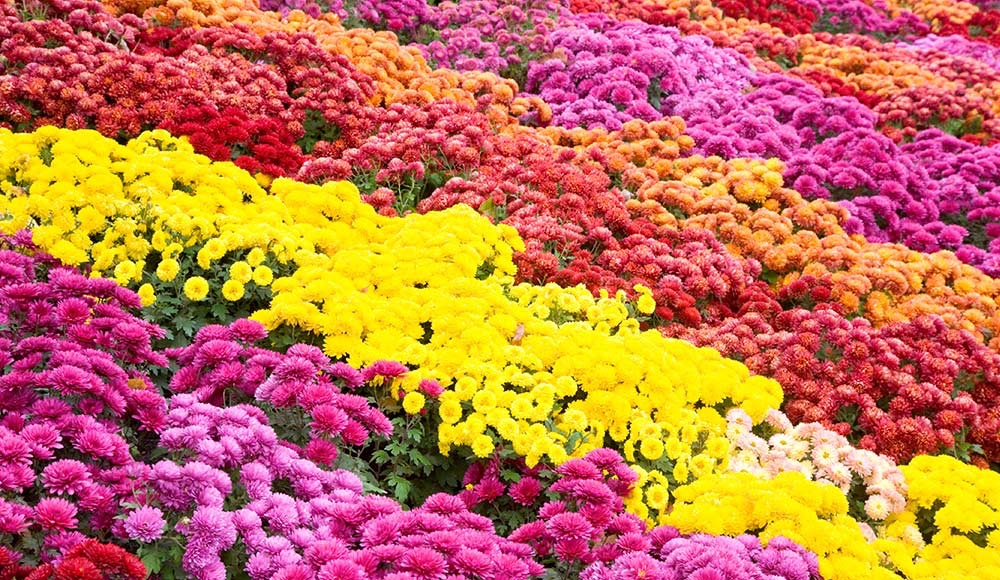
Chrysanthemum (Mums) 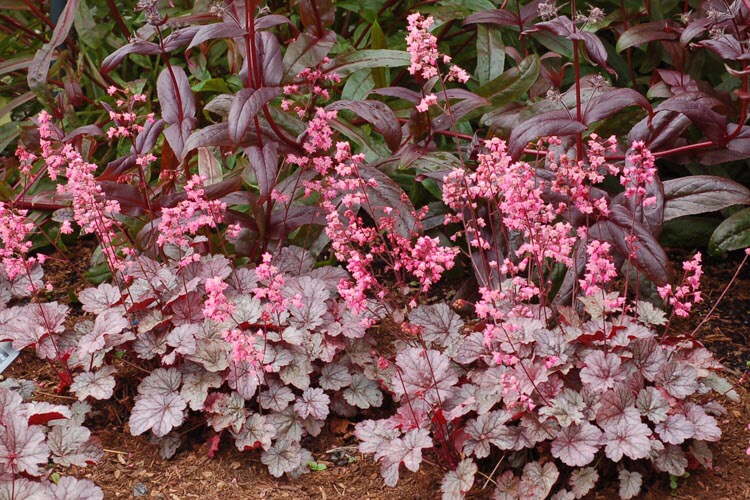
Coral Bells 
Strawflowers 
Snapdragon 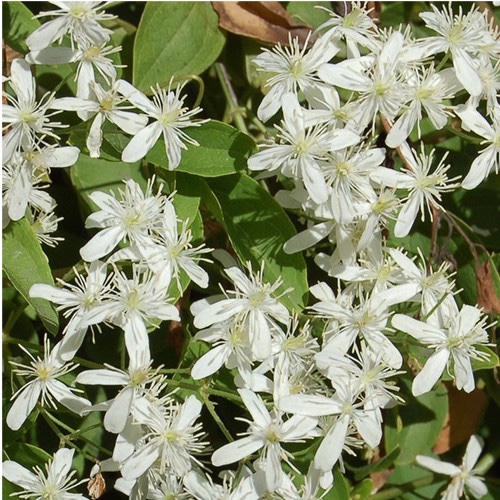
Sweet Autumn Clematis 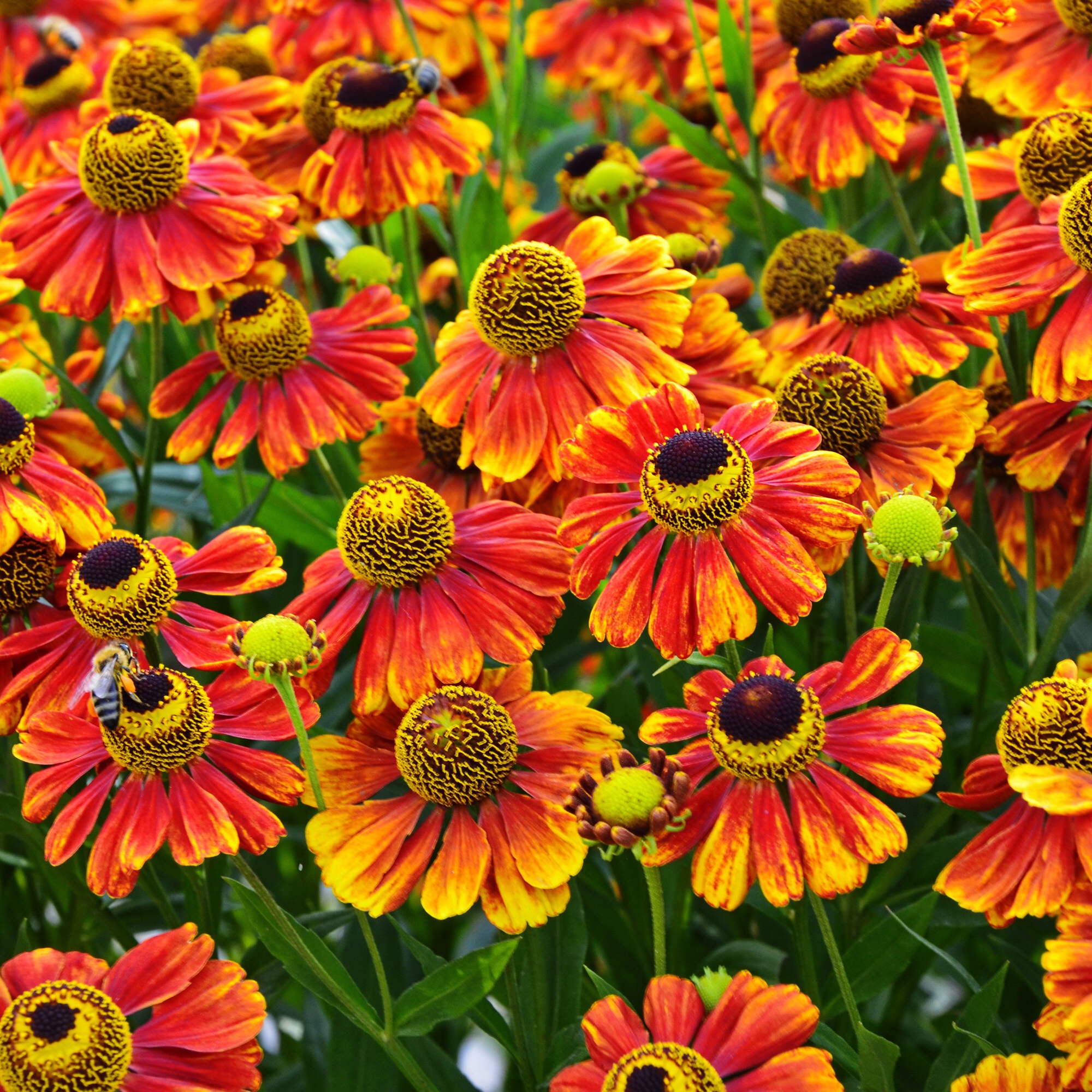
Helenium 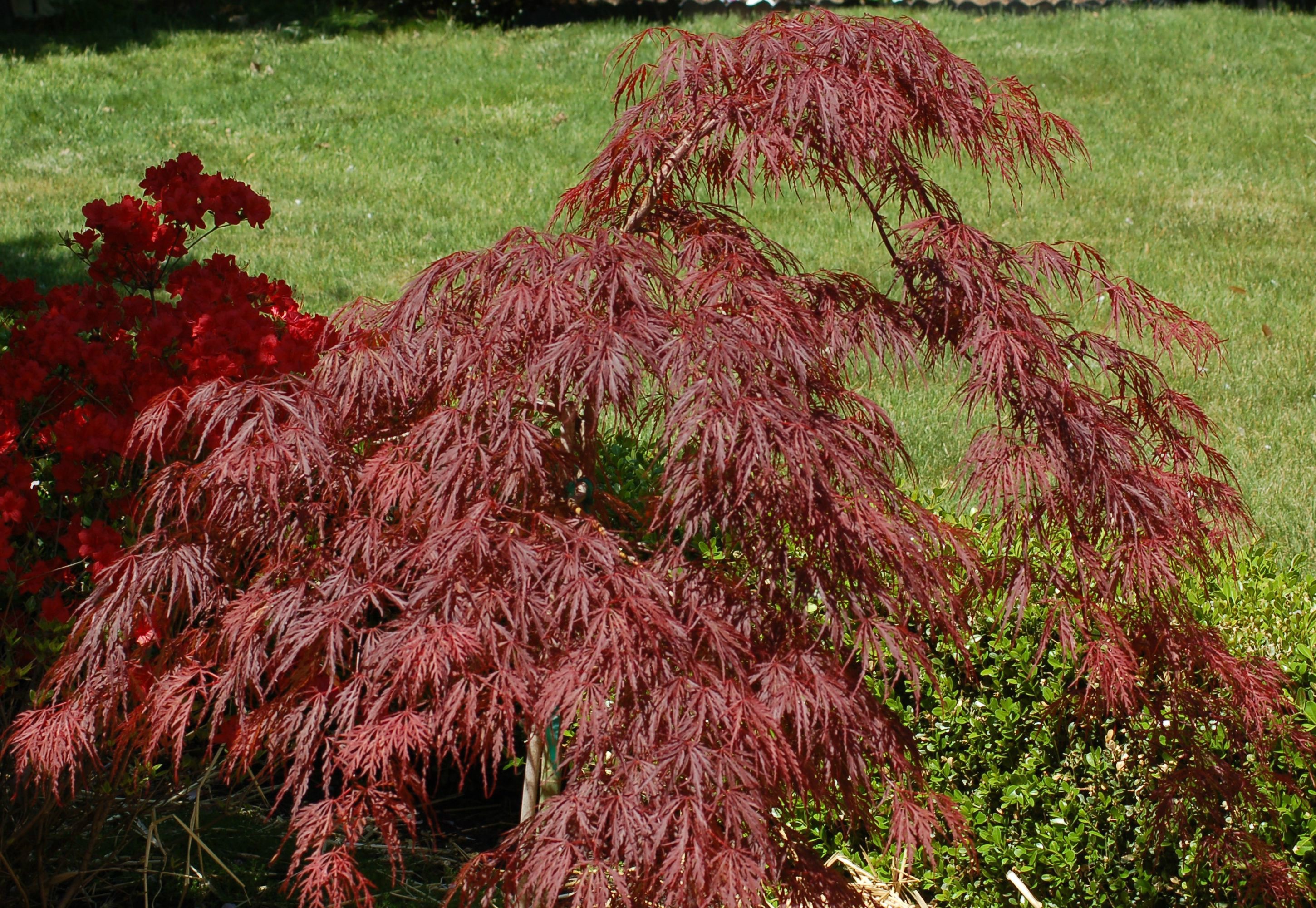
Japanese Maple 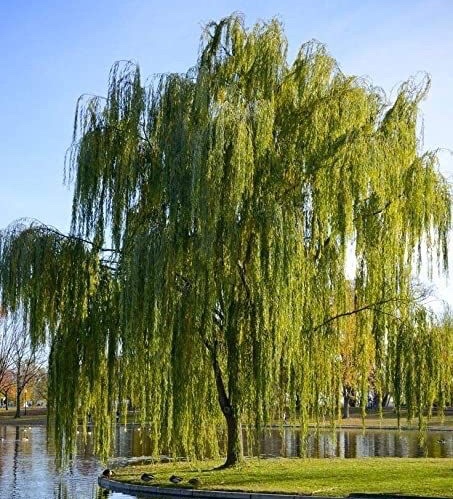
Weeping Willow
Click here to browse more plants that will survive the cooler weather.
Preparing Your Landscape
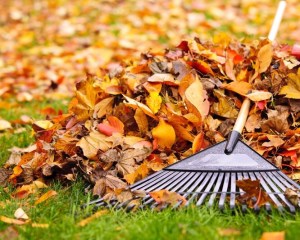
Rake the Debris
It’s very important to make sure leaves and debris are removed from your grass, as it can negatively impact the grass’s ability to grow and survive. While the lawn might be entering dormant season, it still needs plenty of light and airflow. In doing so, this can avoid damage to the lawn, such as suffocating the turf, development of brown and yellow spots and delayed growth in the spring. In addition, water quality is protected when keeping the grass free of leaves. When frozen or thawing, the death of organisms releases nitrates and thus causes runoff that is chemically impacted, making water unsafe or contaminated.
Seed & Feed
The optimal months to fertilize your lawn are from September through November, where its best to use a winterizer fertilizer. Over seeding may positively impact your lawn’s grown and fullness, so don’t skimp on the seeds! While plants do not need fertilizer at this time, trees and shrubs do. Don’t forget to add them to your list!
Prune Your Plants
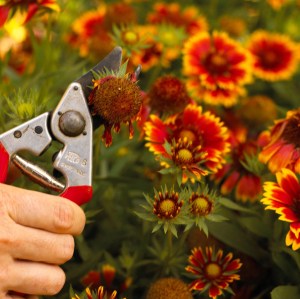
During this time of year, cut your perennials as close to the bottom of the stem as you can get, and cover the ground with plenty of soil to protect their precious roots from freezing over the winter. Regular pruning and deadheading throughout the plant’s growth cycle can lead to a perfectly manicured perennial bed!

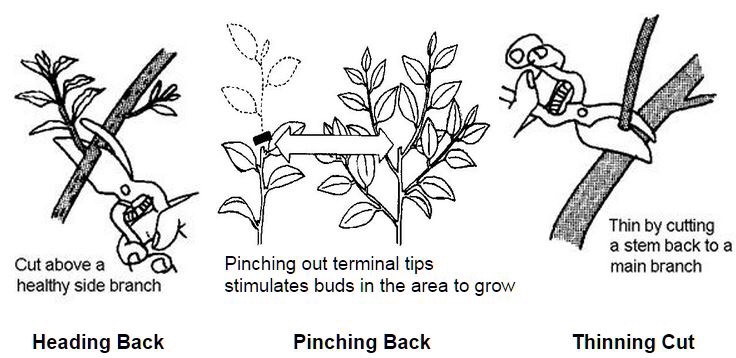
To Prune Perennials:
- Cut back on dead growth
- Start training your plants
- Pinch flowers below bloom
- Trim growth
Pull Those Pesky Weeds
Lastly, in preparing your landscape for the upcoming season, remove all weeds by the roots to avoid new, upcoming growths. This will only save you time in the future, and will keep your garden weed free during the winter going into spring!
 Alyssa’s Digital Portfolio